Wednesday, June 27, 2012

Best skin tag remover that can be tried by you

If you have skin problems that you want to get rid of, your search for solutions have probably led you to read so many articles regarding the many available methods or techniques you can use in solving those problems. Lately, skin tag remover creams have been making the rounds. However, you cannot readily purchase all of them from the market. There are certain creams that would actually work for exactly that purpose. Most other skin tag remover creams will just be revealed as scams.

Moreover, big companies will offer skin tag remover promotional creams. The public will be allowed to have these products without paying for them. There is no reason why you should not give them a try. Make it a habit to not put on any cream or gel without having tried the path test first. After finding out that you are not allergic to the cream or gel, you can safely try it out on a larger area. There are also some companies that sell the wart vanishing creams or skin tag remover with a money back guarantee tag. These are bought by many people right off the bat.

Once they find the usefulness of the cream, they buy more. The logical reaction of people who are not satisfied with a product would be to return it to where they bought it from with a corresponding refund of the money they spent on it. But now you would rarely buy creams or gels that do not work. There is a pressure for manufacturers of these creams or gels to outdo and defeat their competition by producing products that are highly effective. Not only do people have to consider the actual effectiveness of the creams, they should also keep in mind that each person has a different skin type. Many people, sadly, forget about this fact. What works for one person does not necessarily mean that it will also work for another person. It works the same way for skin tag removers and mole removers. If they work for you, it does not mean they would also remove the skin tags of everyone else.

The extent of the effect will differ from one person to another as the skin of each person reacts in a different way to these creams or gels. There are cases where complete removal of the skin tags and moles are impossible. While some skin tags will be removed, there are others that will remain, and the moles will only visibly fade, but not disappear. Despite the many chemical gels being churned out constantly, natural remedies are still the preferred options. This will also help in removing the side effects. You do not have to worry about any complications with your skin, too.

You must fully scrutinize the composition of the creams you are planning to buy. There are two main reasons to know the composition. The fist reason is obvious. Knowing the ingredients is one way of ascertaining you will not be having any allergic reaction when you use it. The other reason has something to do with the cost. If rare herbs are used, the product might be a little costly. Here is an example of an herbal cream. You probably see Thuja Occidentais and Melaleuca Alternifolia among the ingredients. You may also find creams containing Ricinus herbs. Make sure you wash your face thoroughly with soap and lukewarm water before putting any cream on your skin.

Monday, June 18, 2012

Causes Of Skin Tag Formation

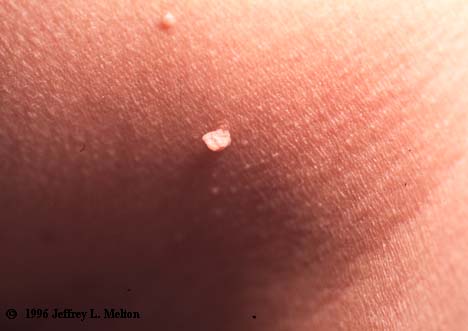
 We all place a high value on keeping fit, health and beautiful. These three should have a balance of sorts. If that balance we try to hold on to becomes shaken, then we find ourselves facing various problems even way into the future. For example, when you have certain hormonal changes in the body, it might lead to the formation of unwanted features in your body like the moles or skin tag. The medical name for what we casually refer to as skin tags is acrochordon. Cutaneous papilloma is also another name ascribed to it in many articles and publications. If you look closely, you would notice that skin tags are just folds of fat with a stalk. The name of the stalk is peduncle. This stalk is actually the small skin piece which is very soft to touch. This is the most telltale indication that it is a skin tag. However the shape, structure and size can vary from one person to another. When people find a skin tag growing in their body, they would immediately feel alarmed. But there is nothing to be alarmed. It is actually a normal occurrence among many pregnant women. If one suffers any hormonal changes or fluctuations, they can almost expect to witness some changes in their bodily processes or see some more visible alterations in their skin. If the changes are visible, then it causes grave concern to you. Unless it causes further trouble or complications, there is no need to consult a doctor. But the cause for such new developments in the body can be learnt just to quench out thirst of knowledge on these topics. Collagen being trapped in the skin also results in the formation of skin tags. Collagen is considered to be an essential part of the dermal layer, which is found underneath the skin. When collagen becomes all tangled up with the blood vessels, they get trapped within the dermal surface. Thus, skin tags develop. Try noting certain infections and diseases and you will be amazed at how much connection they actually have with one another. When two layers of skin constantly rub against each other, skin tags tend to develop. When you wearing tight clothes, one layer of skin will be in contact with another layer of skin on the body. There will be massive friction going on. Soon, skin tags will appear. You should also consider the other risk factors involved in the development of skin tags. If one person uses too much steroids, the possibility of skin tags developing becomes higher. Those who are affected by the human papilloma virus may also suffer from this problem. When there is no pain and when there is no bleeding from these tags, you need not be worried or consult a doctor. You should not worry too much about a skin tag being cancerous if it does not change at all in term of size. Being constant in size means it is not at all cancerous. Skin tags are also frequently seen among people with diabetes.